
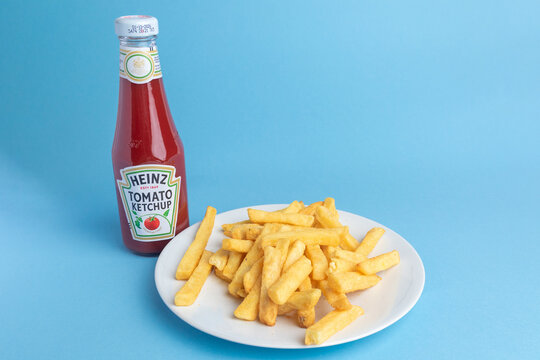
A marriage forged by Warren Buffett and 3G Capital has come to an end. With falling sales and a shift in consumer taste, what does that mean to ketchup lovers, and what can we learn from Buffet’s mistake?
On a personal note, you and I knew that Heinz was the go-to brand for condiments like ketchup, given its rich taste. But as the years go by, inflation, a silent killer, began to destroy people’s taste buds. Over the past years, the price of tomatoes has extortionately risen, and the greater awareness of HFSS products has changed perspectives on processed foods.
On top of this, competing brands such as supermarket-branded products, which are often cheaper, have resulted in many households purchasing these products compared to the Kraft Heinz. What is strange about this is the fact that Heinz has failed to come up with strategies to pull their brand together. This alone is an organisational mishap and shows the failure of diversification.

Why does it matter to you?
Family household brands are quickly disappearing. This is a massive challenge for big packaged companies, and supermarket rivals such as Aldi or Lidl are gaining market share in this prospect. With my consumers being health-conscious about product ingredients, it is clear that many firms will face the problem of declining sales, with most preferring organic ingredients.
With lower sales, firms will need to look at increasing prices, which means more inflation, but this acts as a double-edged sword: higher profits but lower product sales.
How do firms solve this?
Firstly, product diversification is key. Firms must look at products that they can implement within their brand, but keep them relevant to their core business. For example, look at Walkers. Even though they face intense competition from unbranded crisp brands, they can diversify through collaboration and create growth at the same time.
This brings me to the second point, which is intensive marketing. Firms must be able to market their product clearly towards their audience. Take advantage of market share and use it to market your product.
It is clear that Buffet made a mistake of over-valuing the business at $63bn in 2015, but just shows the biggest brands can have the biggest upsets.
 Econ Oddities
Leave a comment